November 7, 2026
Embarking on a comprehensive home renovation brings immense excitement alongside major structural decisions. Whether you are revamping a busy kitchen, building a dedicated laundry space, or refreshing an outdated bath, investing in high-grade casework transforms both daily organization and aesthetic appeal. Beautifully finished storage anchors the visual language of your entire living area, establishing tone, line, and flow across the floor plan. However, the true beauty and longevity of your new casework depend fundamentally on the precision with which it is secured to your home's structural framing.
Even premium materials cannot compensate for poor workmanship or sloppy leveling. Heavy units must easily withstand daily wear, stacks of dense stoneware, loaded cast-iron cookware, and seasonal environmental shifts without sagging or coming loose from wall studs. A poor installation risks binding drawers, crooked door margins, warped joinery, and expensive, catastrophic failures that can pull out drywall or crack delicate stone countertops. Before signing a detailed proposal or handing over a significant financial deposit, asking thorough, targeted questions helps you vet trade specialists effectively and protects your budget. Here are seven critical questions to ask your installer before work begins.
1. How Long Have You Been Installing Cabinets Locally?
Experience matters significantly when dealing with out-of-plumb walls, severely uneven floor joists, and hidden plumbing obstructions. An experienced professional understands how local architectural styles and regional climate fluctuations influence wood expansion. Inquiring about their track record with different types of cabinets gives you immediate insight into their overall problem-solving skills and technical background.
Contractors who have worked in your region for years understand the quirks typical of local properties, whether that means historic homes with shifted timber framing or modern tract builds with uneven drywall taping. Ask specifically about installations matching your project's scope, construction method, and scale. A craftsperson who routinely installs custom, frameless European casework approaches mounting and seam tolerance differently than someone accustomed strictly to modular, face-frame stock units. Ensuring deep familiarity with your chosen style avoids frustrating delays during mounting.
Furthermore, established local tradespeople maintain ongoing relationships with nearby building suppliers, lumber yards, and specialty finish shops. This extensive neighborhood presence often translates into quicker turnaround times whenever replacement doors, custom filler strips, or extra crown molding lengths are needed unexpectedly. A tradesperson invested in the local community works conscientiously to protect their local reputation.
2. Can You Provide References and a Portfolio of Recent Work?
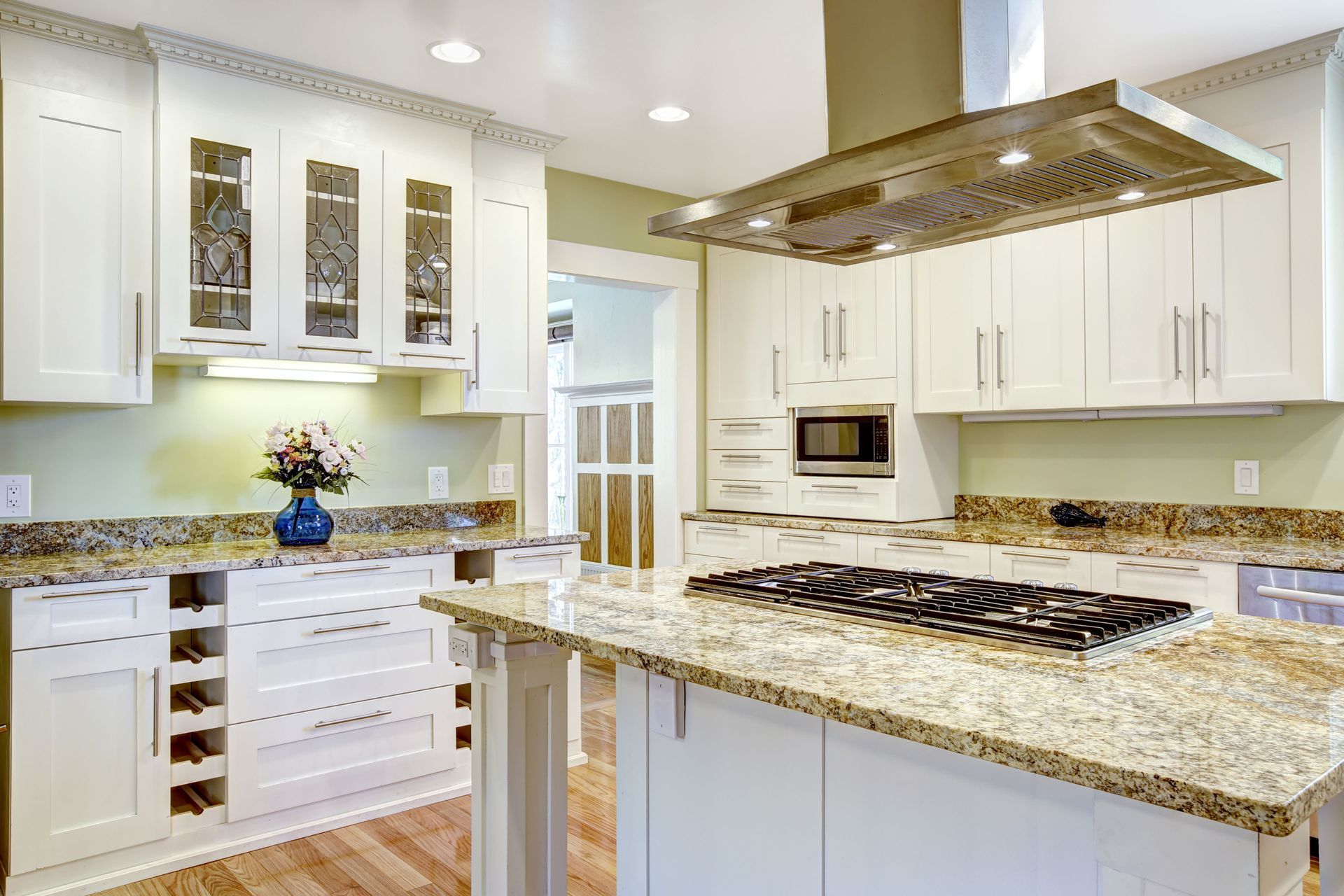
A comprehensive portfolio reveals craftsmanship, accuracy, and attention to detail far better than promotional marketing language. Look closely at clear photographs of completed renovations, examining corner joints, filler seams, reveal gaps, and trim miters. A reputable professional takes immense pride in their past work and will enthusiastically share detailed images of challenging layouts they have mastered.
Beyond looking at pictures, ask for contact information from three recent clients who completed projects comparable to yours. Inquire about the crew's punctuality, workplace cleanliness, everyday communication, and how gracefully they handled unexpected issues. Speaking with former clients offers invaluable insight into what working with the contractor will be like day-to-day.
3. Who Will Handle the Removal and Disposal of Existing Units?
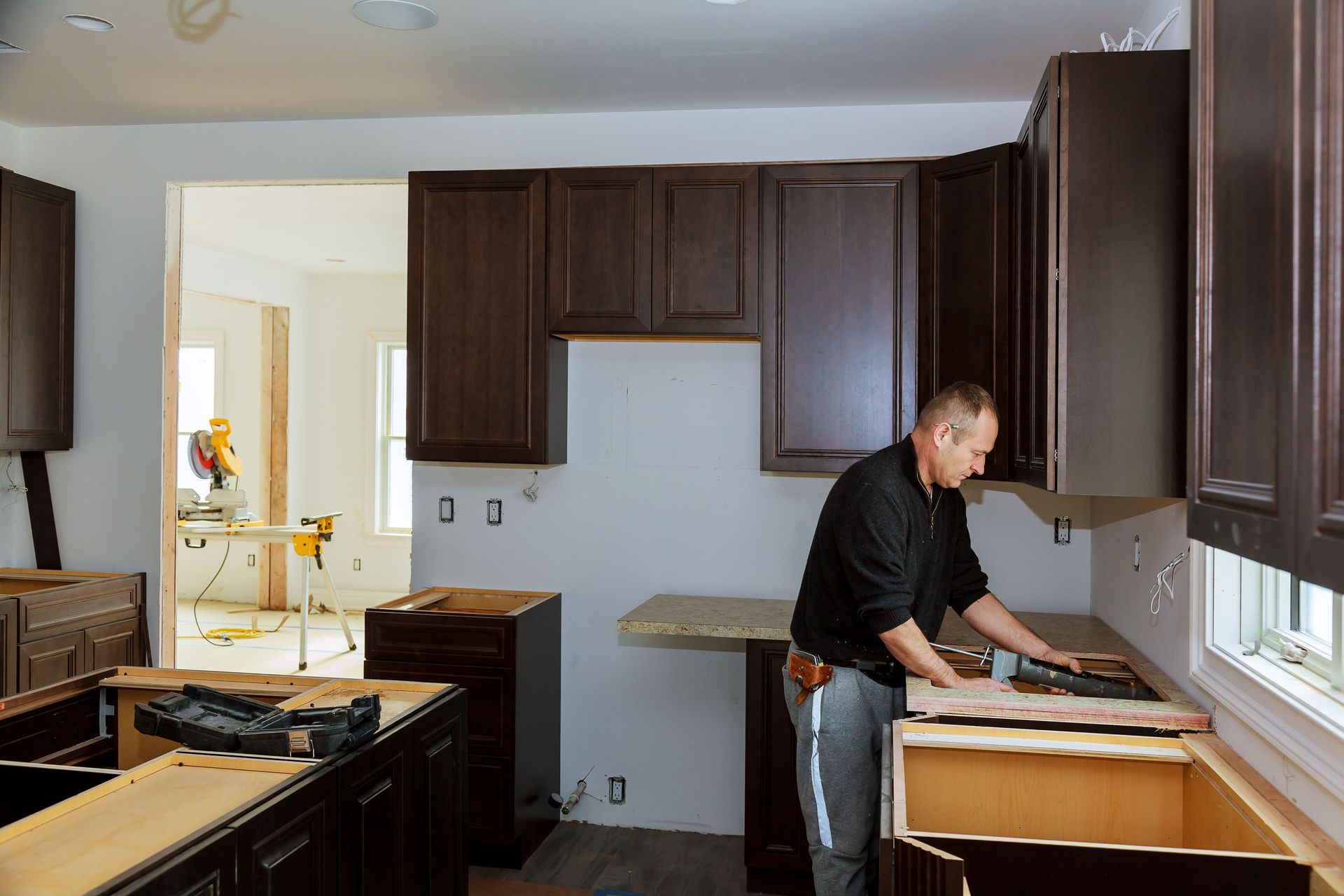
Demolition is far more than swinging a sledgehammer; careless demolition can damage drywall, sever hidden electrical wires, or compromise plumbing. Clarify whether your estimate includes complete tear-out and off-site disposal, or if you must hire an independent waste management dumpster service. Understanding cleanup parameters upfront avoids stressful misunderstandings.
If your existing fixtures remain structurally sound, explore whether they can be salvaged for donation to a local nonprofit or reused in a garage or workshop. Removing them intact requires patience, gentle prying, and screw extraction rather than destructive demolition. Ask whether the crew can preserve them cleanly, and confirm how they handle daily site vacuuming to contain construction dust.
4. How Do You Address Uneven Walls and Sloping Floors?
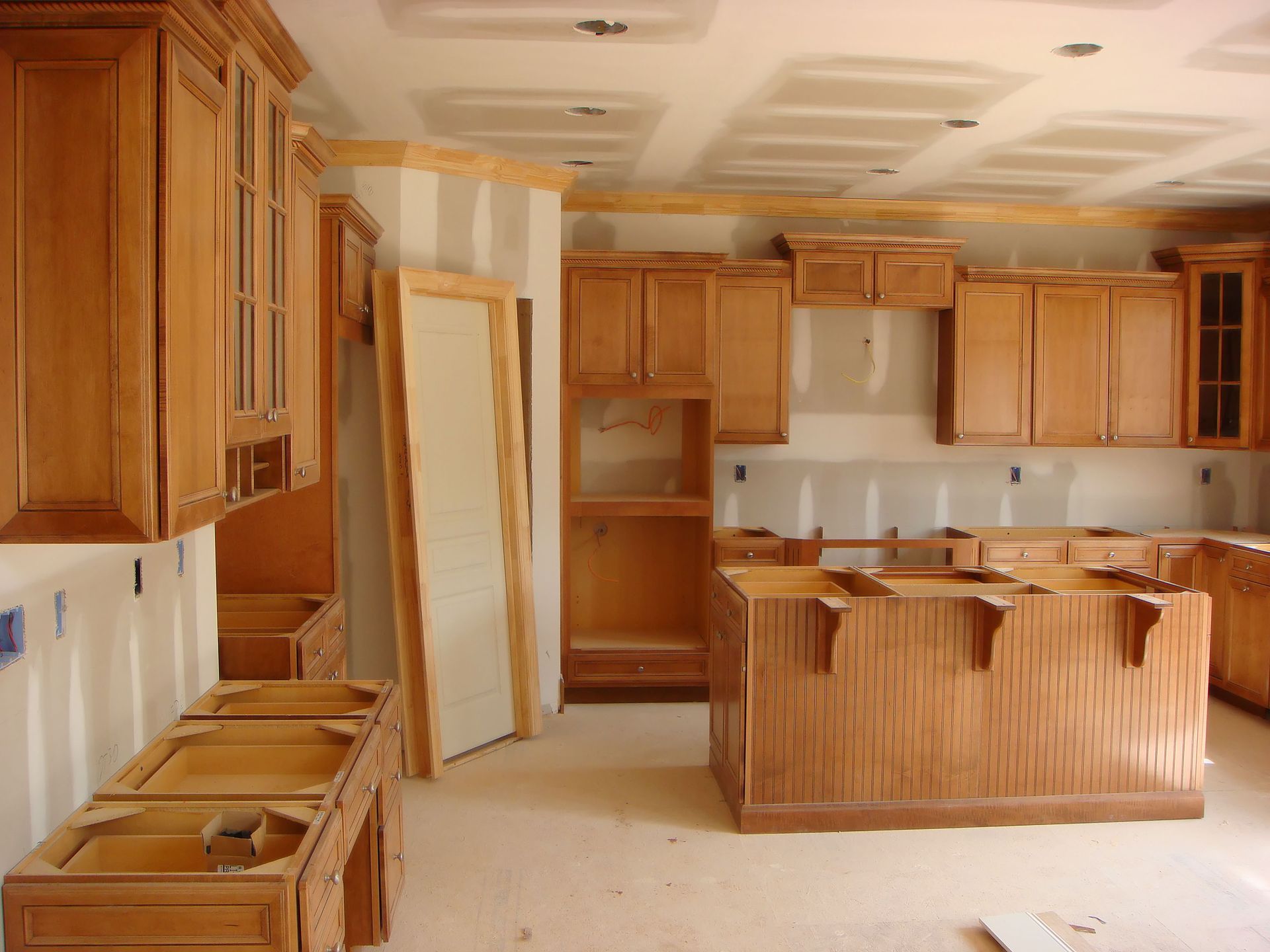
Very few houses feature walls that are plumb or floors that are dead level. Settling foundations, framing shrinkage, and drywall mud build-up create awkward gaps, crooked planes, and bowing surfaces. Skilled installers do not simply anchor units directly against wavy drywall; they build a true, level, planar foundation through meticulous shimming, scribing, and back-framing.
Ask the installer to walk you through their standard leveling and scribing process. Quality craftsmen use laser levels and long spirit levels to establish the highest point of the subfloor, adjusting base units upward with shims to create a flat plane. For walls, they scribe the finished face frames or side panels directly to the wall contours, removing excess wood with planes or sanders so the casework sits flush without unsightly filler gaps. Proper leveling ensures that heavy stone countertops sit flat without cracking and that self-closing drawers glide effortlessly without binding.
5. What Finishes and Styles Do You Work With Most Often?
Cabinet materials range widely, from natural hardwoods and painted plywood to modern high-pressure laminates, each requiring specific handling during cutting and fastening. Discussing current aesthetic choices helps determine whether the contractor has the specialized saw blades, clamps, and finishing techniques needed for your specific materials.
Homeowners often tailor their material and color choices specifically to the room's function and atmosphere. For example, bright, clean finishes remain standard in smaller wet zones. According to Houzz, nearly 33% of homeowners like white bathroom cabinet finishes. Painted enamel surfaces show dust, scratches, and micro-cracks easily if handled with dirty work gloves or forced together with aggressive clamps. Verifying that your installer has extensive experience handling delicate factory-painted panels ensures your space maintains an immaculate, pristine look upon final inspection.
6. What Is the Projected Timeline from Delivery to Completion?
Home improvements inherently disrupt daily routines, creating dust, noise, and functional inconveniences. A structured installation schedule helps you organize your household and keep the project running smoothly. Request a clear timetable outlining the delivery date, box staging, structural anchoring, door hanging, drawer adjustment, and final trim installation.
Coordination with other subcontractors is critical. Countertop fabricators cannot take precise digital field templates until every base unit is permanently anchored and leveled. Plumbers and electricians also need firm dates to rough in and finish connections. A dependable installer provides a realistic schedule with built-in buffers, preventing costly delays across trades.
7. Do You Supply Hardware, Molding, and Trim, or Do I Purchase Them?
Crown molding, light rails, toe kicks, soft-close hinges, and decorative pulls transform functional casework into an architectural centerpiece. However, contractors handle materials procurement in different ways. Some include basic scribe moldings, toe-kick skins, and mounting fasteners in their baseline quote, while requiring homeowners to source decorative handles, organizers, and specialty accessories.
Clarify these purchasing roles before signing the contract. If you are supplying the decorative pulls, confirm when they must be on-site and whether the installer uses precision drilling jigs to mount them. This avoids late-stage hardware scrambles that can stall your project right before completion.
Choosing to install new cabinets significantly boosts the everyday utility, visual charm, and resale value of your property. By asking these ten detailed questions, you filter out inexperienced handymen and partner with a skilled artisan dedicated to precision craftsmanship.
Take the time to gather itemized estimates, review references thoroughly, and secure clear terms in writing. A seasoned installer will welcome your questions, communicate transparently, and deliver a pristine installation you can enjoy proudly for decades to come. Contact Kitchen Gallery Cabinet Design today for more information.