November 8, 2026
Selecting the perfect surface for a home remodel involves balancing visual ambitions, practical performance, and investment value. Countertops serve as the primary visual anchor and work surface within any kitchen or bathroom, making material selection a foundational step in residential remodeling. While classic quarried slabs have long symbolized architectural permanence, engineered options have earned popularity by pairing structural integrity with versatile styling. Understanding how manufactured composites compare against organic stone across resilience, maintenance, and aesthetics allows homeowners to select surfaces matching their household routines.
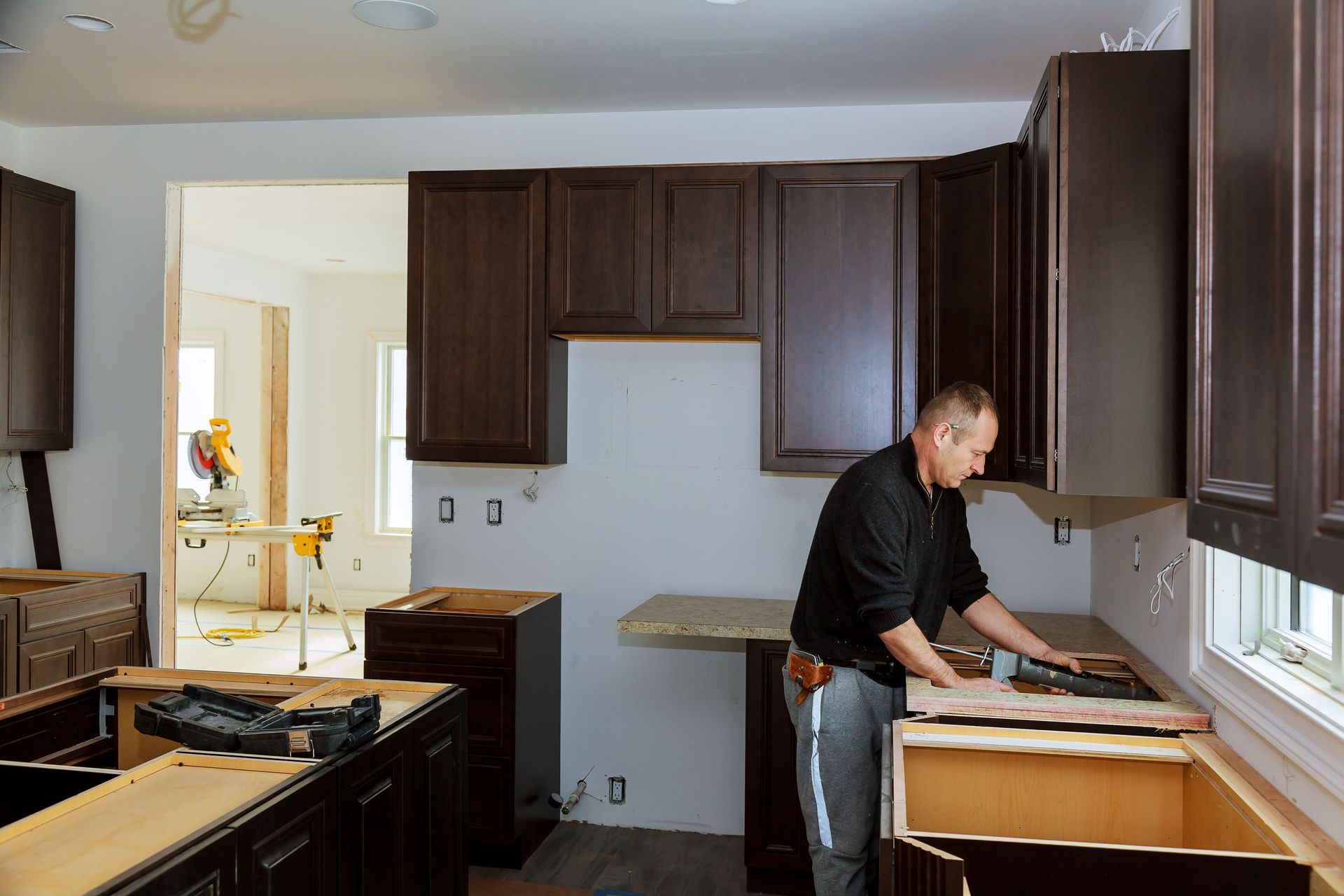
Proper preparation also requires understanding how distinct materials behave throughout the countertop installation process. Structural weight, edge shaping, seam placement, and long-term care routines vary between manufactured slabs and quarried stone surfaces. Homeowners must evaluate cabinetry support and lifestyle demands before committing to a specific material. By examining engineered and natural stone across fundamental performance categories, property owners can choose materials wisely and plan a successful home renovation that delivers enduring value across everyday living environments.
Examine Engineered Stone Characteristics
Engineered stone surfaces combine pulverized mineral aggregates with polymer resins, pigments, and binding agents under intense pressure. This manufacturing procedure yields a dense slab with structural uniformity and exceptional resistance to household staining, scratching, and moisture penetration. Because production occurs in strictly controlled factory settings, manufacturers eliminate internal fissures and unpredictable structural flaws that often trouble organic materials. Popular brands like Caesarstone, Cambria, and Silestone offer expansive collections featuring specialized hygienic properties, tailored surface textures, and refined color profiles designed for busy kitchens.
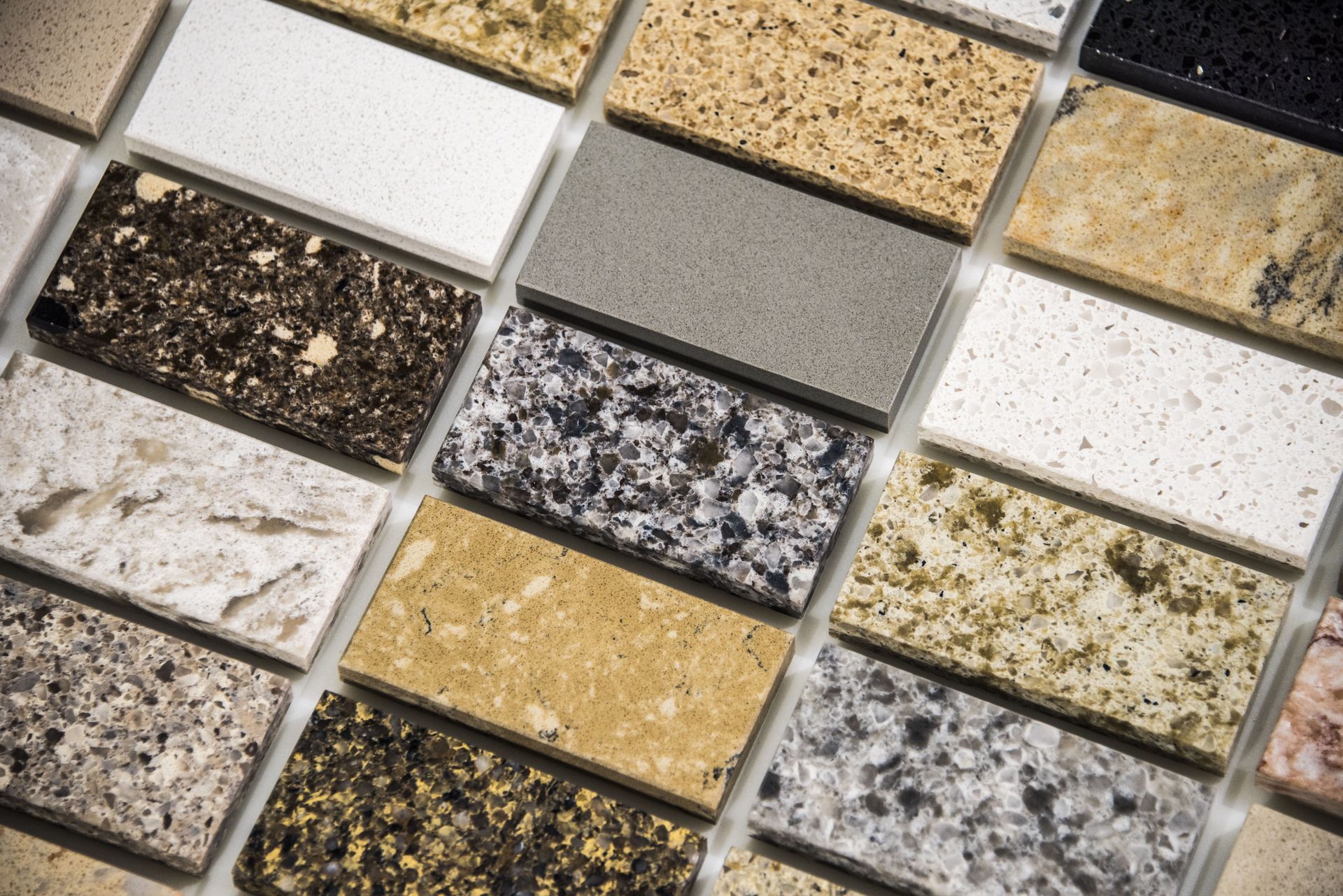
Beyond functional durability, engineered surfaces provide broad design flexibility for contemporary living spaces. Homeowners seeking diverse interior styling can explore synthetic compositions; for instance, according to HomeGuide, Corian solid surface offerings showcase a portfolio exceeding 100 individual patterns and hues. These manufactured options suit modern architectural schemes where visual uniformity across expansive layouts is preferred. Prospective buyers should recognize that polymer resin binders remain sensitive to extreme thermal shocks, requiring trivets beneath hot cookware to avoid scorching or localized cracking.
Explore Natural Stone Varieties
Natural stone slabs originate deep within the earth, formed across vast geological eras through subterranean heat, pressure, and mineral sedimentation. Quarries extract monumental blocks of granite, marble, soapstone, and quartzite, which skilled fabricators slice into individual slabs and polish for interior surfaces. Granite remains celebrated for structural hardness and scratch resilience, while marble offers soft veining and historic elegance. Quartzite pairs the luminous visual softness of marble with granite-like density, giving renovators diverse organic possibilities for distinct residential settings.
Because geological forces shape each deposit randomly, natural stone slabs feature individual veining, coloration, and tonal distribution. This organic individuality imparts bespoke architectural character to master bathrooms and executive kitchen environments. However, organic stone surfaces possess microscopic porosity, meaning liquid spills can cause deep staining or surface etching if left unaddressed. A successful countertop installation requires experienced stone fabricators who can handle fragile natural fissures, calibrate heavy slabs across structural cabinetry, and apply initial protective sealants before residential use.
Compare Project Expenses and Budgets
Evaluating project costs requires examining both immediate material expenses and long-term financial commitments across the surface lifespan. Engineered stone generally provides predictable pricing structures, though custom edge fabrication, intricate perimeter cuts, and premium brand tiers elevate total outlays. Natural stone pricing fluctuates significantly based on geographic rarity, quarry accessibility, transport logistics, and raw slab quality. Rare marble varieties and imported quartzites command premium prices due to extraction complexity, whereas common granites offer budget-friendly accessibility for modest renovation budgets.
Homeowners must account for specialized labor and ongoing protective maintenance when calculating their countertop installation expenditure. Natural stone demands professional handling due to fragile veining and immense structural mass, often increasing fabrication charges and installation labor fees. Moreover, porous organic surfaces require periodic sealant purchases and occasional professional re-polishing to preserve protective barriers. Conversely, engineered stone eliminates recurrent sealing expenses, providing predictable long-term upkeep costs that appeal to budget-conscious households seeking financial predictability over years of ownership.
Assess Material Durability and Maintenance
Daily operational durability represents a central consideration when comparing engineered composites against quarried mineral slabs. Engineered stone excels in resisting acidic substances like lemon juice, vinegar, and tomato sauce, which routinely cause surface etching on calcium-rich natural stones. Because engineered slabs lack open pores, they resist bacterial proliferation and clean up easily using ordinary warm water and mild dishwashing liquid. Nevertheless, sudden temperature swings from direct pan contact can compromise synthetic resin binders, making heat protection essential during daily culinary tasks.
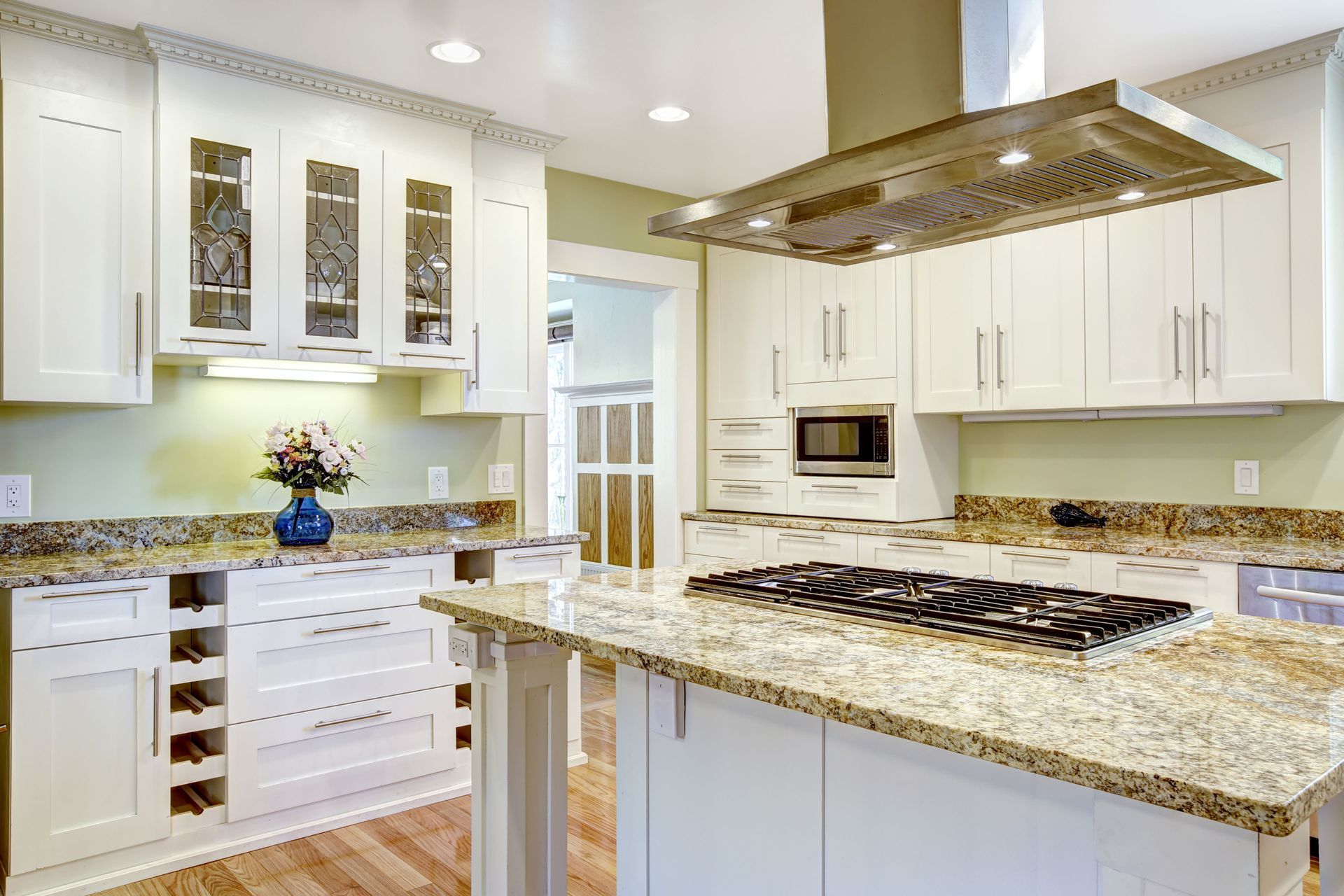
Natural stone displays outstanding tolerance toward radiant heat, allowing homeowners to place warm pans onto dense granite surfaces without blistering resin compounds. Preserving the surface integrity of marble and granite requires dedicated routine maintenance, including prompt spill cleanup and regular sealant replenishment. Neglecting protective coatings can lead to stubborn oil discolorations and permanent mineral etching that require chemical poultices or mechanical restoration. Assessing household culinary habits helps homeowners determine whether low-maintenance engineered slabs or heat-resistant natural surfaces best suit their expectations during countertop installation planning.
Evaluate Interior Design Aesthetic Choices
Aesthetic preferences guide the selection process, as countertops define the decorative tone of surrounding cabinetry and backsplashes. Engineered stone delivers crisp visual consistency, making it well suited for minimalist layouts, modern waterfall islands, and cohesive interior renovations. Advanced fabrication technologies now produce manufactured slabs that emulate fluid marble movement or industrial concrete without repeating awkward visual print patterns. This predictability allows designers to plan seamless joins across expansive kitchen island spans without encountering jarring color shifts or unexpected mineral inclusions.
Conversely, natural stone provides an authentic organic presence that manufactured surfaces cannot duplicate. The crystalline depth, mineral fissures, and soft tonal gradations of genuine stone introduce organic movement and architectural depth to traditional and transitional home designs. Natural slabs serve as unique art pieces within the home, celebrating natural variations that highlight geological history. Designers frequently pair dramatic quarried stones with understated cabinet finishes to create captivating focal points that anchor residential interiors during comprehensive countertop installation projects.
Weigh Environmental Sourcing and Sustainability
Environmental impact considerations influence modern remodeling decisions as eco-conscious consumers examine material origins and lifecycle longevity. Sourcing engineered stone combines natural quartz minerals with synthetic resins, consuming processing energy during crushing, mixing, and curing phases. However, composite manufacturers continually reduce waste by incorporating recycled glass, post-industrial stone fragments, and bio-based resins into their manufacturing lines. Selecting brands bearing independent environmental certifications guarantees low chemical emissions and adherence to rigorous indoor air quality standards throughout residential living spaces.
Natural stone extraction involves quarrying massive geological formations, requiring mechanical excavation and transport from remote deposits. However, natural stone represents an unadulterated mineral resource that produces zero synthetic resin emissions and releases no volatile organic compounds into household environments. Slabs endure indefinitely with proper structural care, and salvaged pieces can be reshaped for outdoor landscapes or secondary architectural applications upon project demolition. Conscious property owners should source locally quarried stones and engage certified professionals to ensure an environmentally responsible countertop installation from start to finish.
Choosing between engineered and natural stone surfaces hinges upon individual lifestyle requirements, maintenance preferences, and architectural goals. Engineered slabs deliver hygienic ease, durable nonporous performance, and repeatable modern styling that simplifies busy domestic environments. Natural stone offers organic luxury, exceptional heat tolerance, and timeless visual character that transforms kitchens into breathtaking architectural showcases. By thoughtfully weighing initial budgets, ongoing upkeep, and aesthetic aspirations, you can select the ideal surface material to elevate your home.
Partnering with knowledgeable renovation specialists guarantees seamless execution and stunning craftsmanship throughout every phase of your remodeling project. We invite you to schedule a private design consultation with our experienced specialists at Kitchen Gallery Cabinet Design so we can bring your custom countertop installation vision to vibrant life.