November 13, 2026
Selecting the right surface for a kitchen or bathroom involves balancing durability, appearance, maintenance, and budget. With several materials available, homeowners should consider how each option fits their daily routines and design preferences. Granite, quartz, and marble each offer distinct advantages, making it important to understand their differences before committing to an installation.
Granite Countertops: The Classic Choice
Durability and Strength
Granite is a popular natural stone known for its strength and resistance to everyday wear. Its hard surface holds up well against scratches, making it suitable for busy kitchens. Granite also handles heat better than many alternative materials, although using trivets for hot cookware is still recommended. Its durability makes it a practical long-term investment for households that want a dependable work surface.
Although granite is strong, it is not completely resistant to damage. Heavy impacts can cause chips or cracks, particularly around edges and corners. Professional installation and appropriate care help preserve its condition. Homeowners comparing natural stone options should also understand that quartzite differs from engineered quartz. According to HomeGuide, quartzite differs from quartz by being a 100% natural stone material.
Aesthetic Appeal
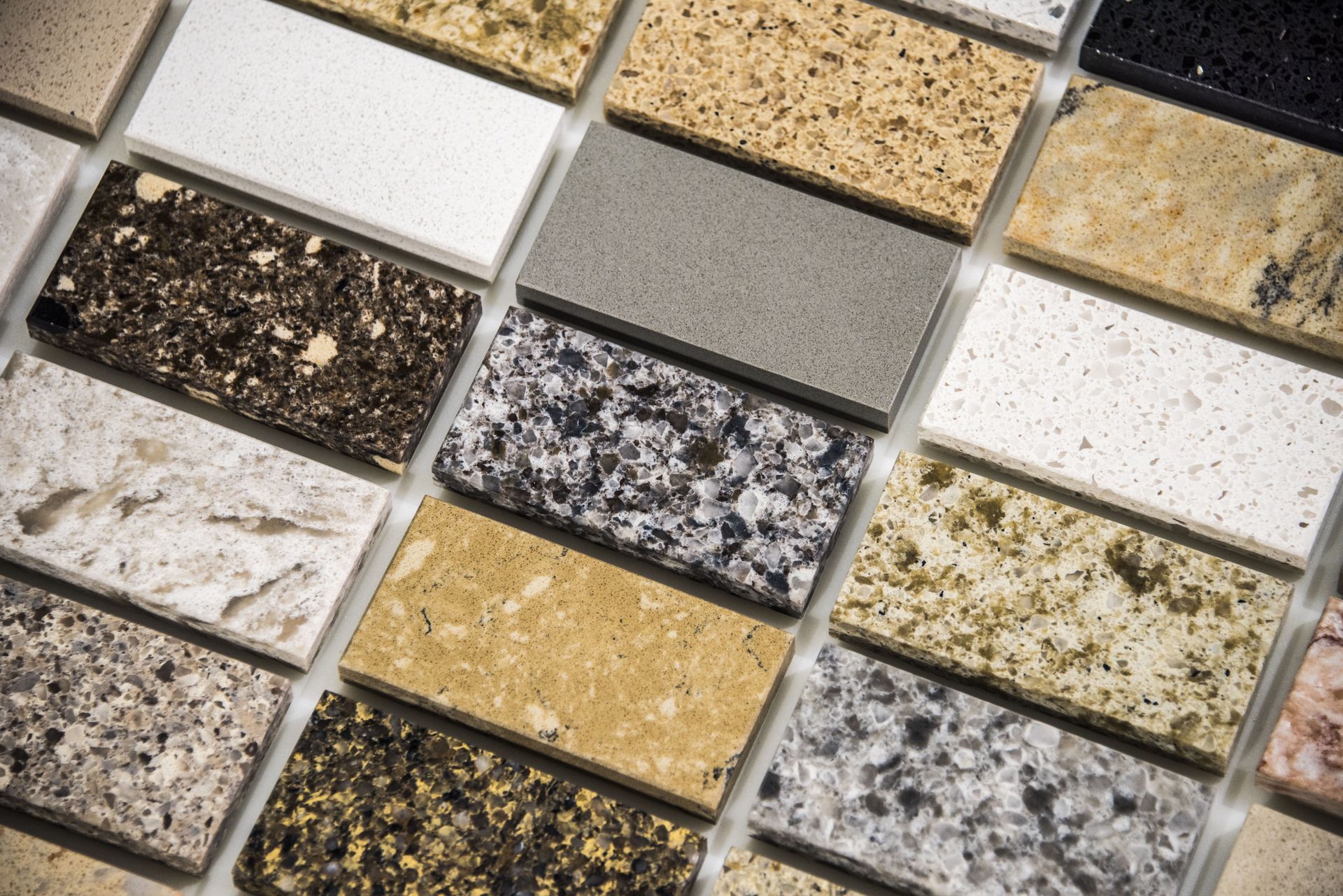
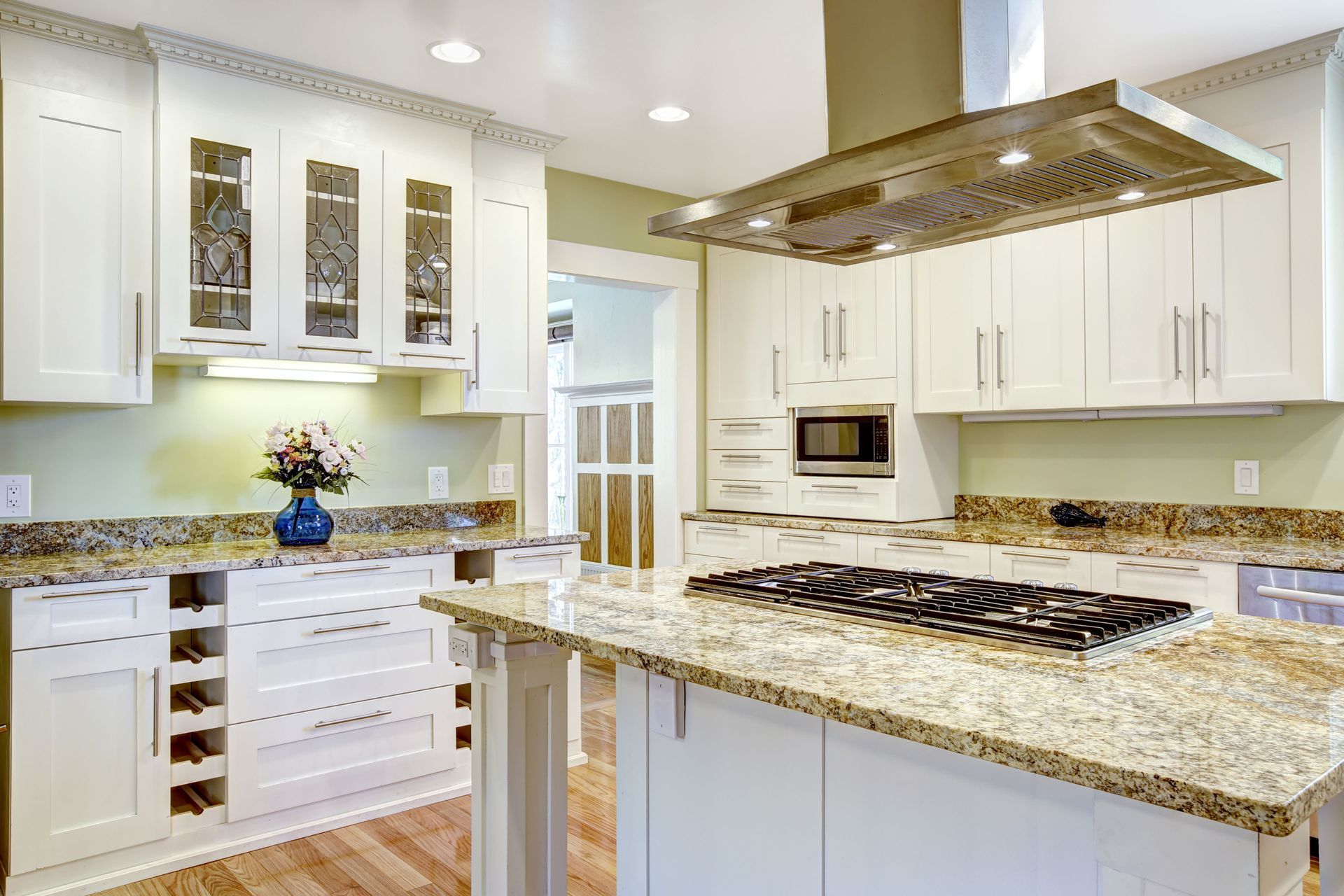
One of granite's greatest advantages is its natural appearance. Each slab features distinct color variations, mineral deposits, and patterns, meaning no two installations look exactly alike. Available shades range from subtle whites and grays to deeper browns, blues, and blacks. This variety makes granite adaptable to traditional, contemporary, and transitional interior designs.
Its natural patterns can create an attractive focal point in kitchens and bathrooms. Whether homeowners prefer understated coloring or dramatic veining, granite offers options that bring character to a space. Its timeless appearance has helped it remain popular despite changing design trends.
Maintenance Needs
Granite requires periodic sealing to help prevent liquids and stains from penetrating its porous surface. Depending on the stone and sealant, homeowners may need to reseal it every one to two years. Routine cleaning generally involves mild soap and water, while abrasive products should be avoided.
Promptly wiping up spills, using cutting boards, and protecting the surface from impacts can help preserve its appearance. Homeowners who prefer minimal upkeep may find engineered quartz more convenient, but granite remains worthwhile for those comfortable with occasional maintenance.
Cost Considerations
The price of granite varies depending on the slab's quality, thickness, origin, and pattern. Unusual colors and distinctive mineral formations may cost more than common varieties. Installation expenses also depend on the project's size, edge details, cutouts, and overall layout.
Although premium granite can require a substantial initial investment, its durability and lasting appeal may provide value over time. Comparing material grades and installation estimates can help homeowners find an option that fits their budget.
Suitable Environments
Granite works particularly well in kitchens and bathrooms because of its strength and natural beauty. It can also be used in outdoor kitchens when the selected stone and protective treatments are appropriate for local weather conditions. Its versatility allows homeowners to incorporate it into islands, vanities, and other prominent surfaces.
Quartz Countertops: The Modern Alternative
Composition and Characteristics
Engineered quartz combines natural quartz minerals with resins and pigments to create a durable, nonporous surface. Unlike granite, quartz does not typically require sealing, making it appealing to homeowners who want to minimize maintenance. Its engineered composition also allows manufacturers to produce consistent colors and patterns that are difficult to achieve with natural stone.
Quartz is available in designs that resemble marble, granite, and other materials. This flexibility makes it easier to coordinate with cabinetry, flooring, and backsplashes. However, quartz is not as heat-resistant as granite, so hot cookware should not be placed directly on its surface.
Customization Options
One of the biggest advantages of quartz is its design flexibility. Manufacturers offer numerous colors, patterns, and finishes, including polished and matte options. Homeowners can select understated surfaces that blend into their surroundings or distinctive designs that make a stronger visual statement. These choices make quartz countertops suitable for a variety of interior styles.
Different edge profiles and thicknesses provide additional customization opportunities. Quartz can also be coordinated with backsplashes and other design elements to create a cohesive appearance, making it versatile for kitchen and bathroom renovations.
Maintenance and Longevity
Because quartz is nonporous, it resists many common stains and does not require routine sealing. Cleaning usually involves a soft cloth, mild soap, and water. Its resistance to moisture and everyday spills makes it practical for households that frequently use their kitchen surfaces.
Although quartz is durable, it still requires reasonable care. Excessive heat can damage its resin components, and heavy impacts may cause chips or cracks. Using trivets and avoiding harsh cleaning products can help maintain its appearance for years.
Pricing and Value
The cost of quartz depends on the manufacturer, color, design complexity, and installation requirements. Premium patterns and specialty finishes may increase the overall price, while simpler options can provide a more budget-conscious alternative. Homeowners should compare estimates that account for fabrication, cutouts, edge treatments, and installation.
Although quartz may have a higher upfront cost than some materials, its limited maintenance requirements can contribute to long-term value. Its contemporary appearance and practical characteristics also make it attractive for homeowners planning lasting renovations. Quartz countertops can also complement modern cabinetry and fixtures, contributing to a cohesive interior design.
Environmental Impact
Quartz production involves mining natural minerals and combining them with other materials, so manufacturing practices are worth considering. Some producers incorporate recycled materials and follow practices intended to reduce waste and resource consumption. Homeowners interested in sustainability can research manufacturers and ask about their sourcing methods.
The material's durability may also reduce the need for frequent replacements. However, its environmental impact varies depending on manufacturing processes, transportation, and the materials used.
Marble Countertops: Timeless Elegance
Unique Characteristics
Marble is prized for its elegant appearance, distinctive veining, and natural variations. Each slab has its own combination of patterns and colors, creating a sophisticated look that works especially well in traditional and upscale interiors. Popular options include white marble with gray veining, as well as varieties featuring warmer or darker tones.
Marble naturally stays cool, making it particularly useful for baking and pastry preparation. Its surface helps maintain lower working temperatures when handling dough and other temperature-sensitive ingredients. These qualities make marble appealing to homeowners who value both aesthetics and kitchen functionality.
Durability and Maintenance
Although marble is a durable natural stone, it is softer and more porous than granite. It can scratch, stain, and develop etching when exposed to acidic substances such as lemon juice, vinegar, and certain cleaning products. Regular sealing helps reduce absorption, but it does not make marble completely stainproof.
Homeowners should clean spills promptly and use cutting boards, trivets, and appropriate stone cleaners. These precautions help protect the surface while preserving its natural finish. Marble may require more attention than quartz or granite, making it important to consider household habits before choosing it.
Cost and Design Versatility
Marble pricing varies based on its origin, color, availability, and veining. Rare varieties and premium slabs can be expensive, while more common options may offer greater affordability. Installation costs also depend on the size and complexity of the project.
Despite its maintenance requirements, marble remains desirable because of its distinctive appearance. It works well in bathrooms, kitchen islands, baking areas, and other spaces where its visual qualities can stand out. Its natural patterns complement a wide range of cabinetry and interior finishes. Marble countertops can create an especially elegant focal point in kitchens and bathrooms.
Before making a final decision, consider the available budget, desired appearance, maintenance expectations, and daily demands placed on the surface. Viewing full slabs rather than small samples can also help homeowners understand natural variations and how a material will look alongside existing finishes. Professional guidance can make it easier to compare options and evaluate installation requirements for your new countertops.
For help finding the right surface for a kitchen or bathroom renovation, homeowners can turn to Kitchen Gallery Cabinet Design. Exploring material options with an experienced design team can help transform a vision into a functional, attractive space that reflects personal preferences and supports everyday living.