November 23, 2026
The body content of your post goes here. To edit this text, click on it and delete this default text and start typing your own or paste your own from a different source.
Choosing the right color palette for your kitchen can influence the atmosphere, functionality, and overall appearance of your home. From cabinet finishes and countertops to wall colors and decorative accents, every design choice contributes to the finished space. A successful kitchen remodeling project starts with understanding your personal style, evaluating your space, and selecting colors that work together. With thoughtful planning, you can create a kitchen that feels cohesive and welcoming.
Understanding the Basics of Color Theory
Exploring Primary and Secondary Colors
Color theory provides a foundation for choosing shades that complement one another. Primary colors include red, blue, and yellow, while secondary colors such as green, orange, and purple result from combining them. Tertiary colors are created by mixing primary and secondary shades, offering even more possibilities for a kitchen palette.
Understanding these relationships makes it easier to coordinate cabinets, walls, countertops, and decorative elements. Complementary colors create contrast, while analogous colors provide a more subtle and harmonious appearance. Both approaches can work well depending on the atmosphere you want to create. Applying these principles during kitchen remodeling helps ensure that individual design choices contribute to a cohesive finished space.
Balancing Warm and Cool Tones
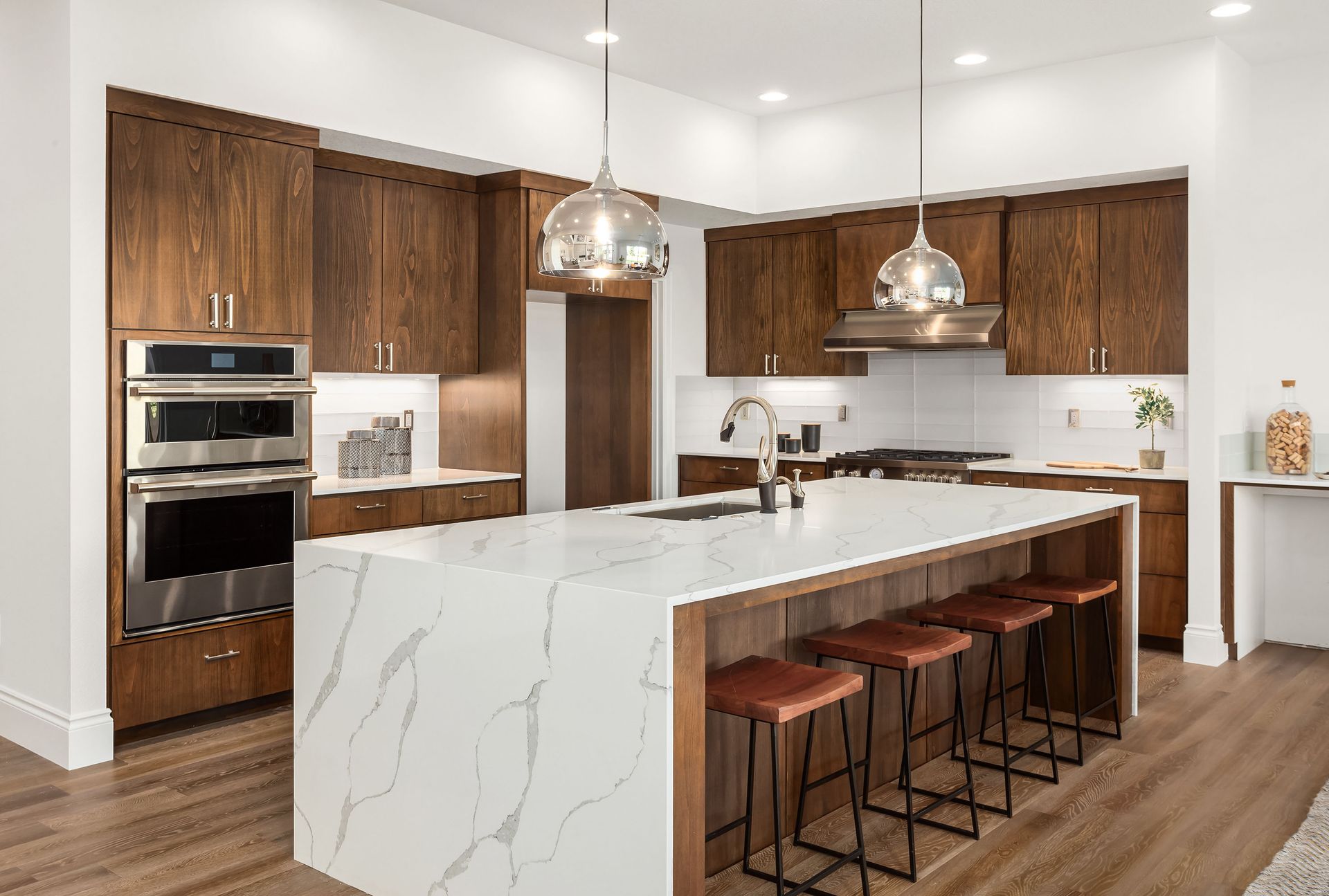
Warm colors such as red, orange, and yellow can make a kitchen feel inviting and energetic. Cool colors, including blue, green, and purple, create a calmer atmosphere. Combining the two can produce a balanced appearance. For example, warm wood cabinetry can complement cool gray countertops, while blue accessories can provide contrast against cream-colored walls.
Assessing Your Kitchen Space
Evaluating Room Size and Lighting
The dimensions of your kitchen influence which colors will work best. Lighter shades can make smaller rooms feel more open, particularly when paired with reflective surfaces. Larger kitchens offer more flexibility for darker cabinetry, bold accent walls, and contrasting design features.
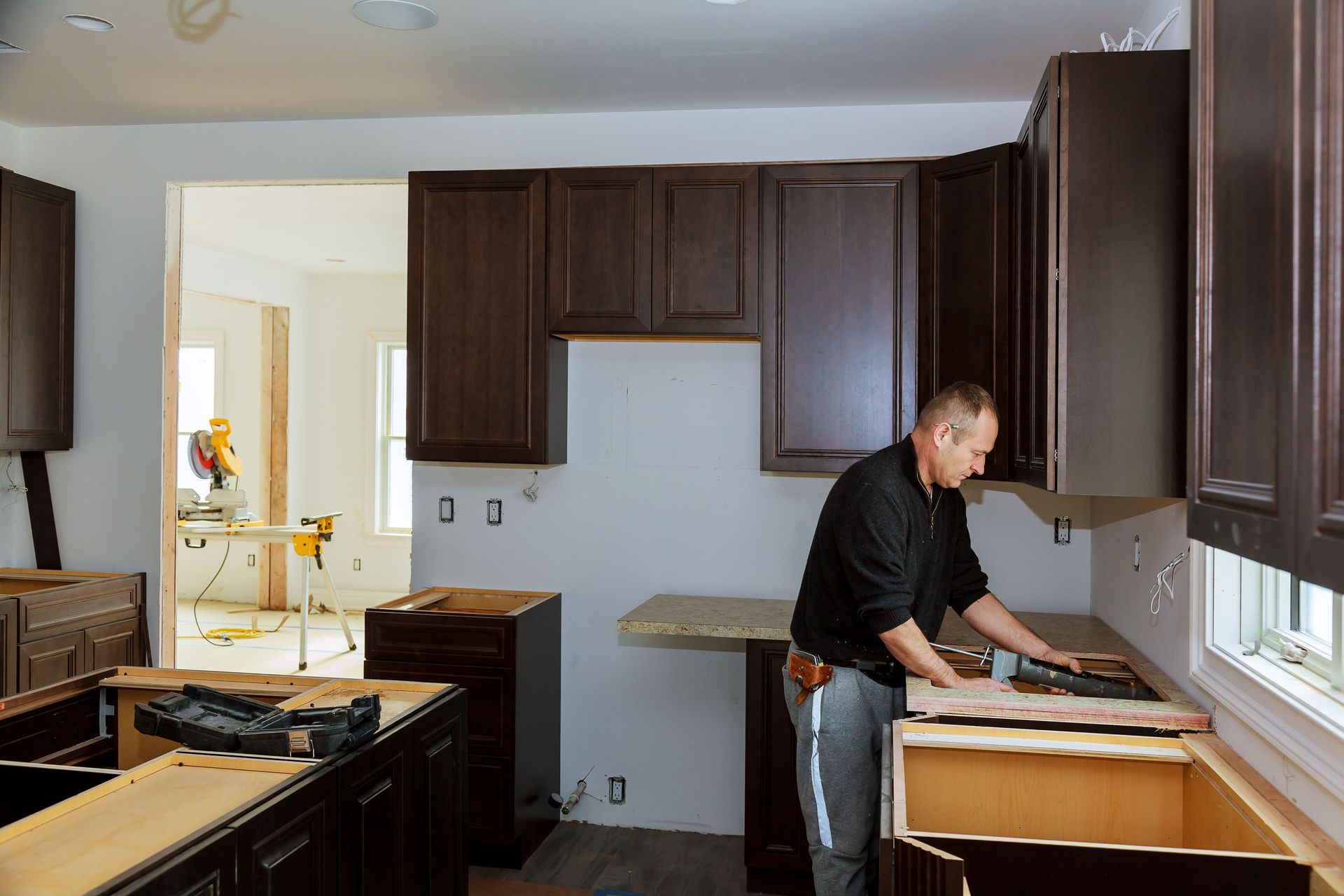
Natural and artificial lighting also affect how colors appear. A shade that looks bright in a showroom may appear darker in a kitchen with limited windows. Before committing to a palette, test paint samples and material finishes in the actual room under different lighting conditions. This step is especially valuable during kitchen remodeling because installed materials may look different from their showroom samples.
Coordinating Existing Fixtures and Finishes
Existing cabinetry, flooring, appliances, and countertops should influence your color decisions. If you plan to keep some of these features, choose new colors that complement their undertones and finishes.
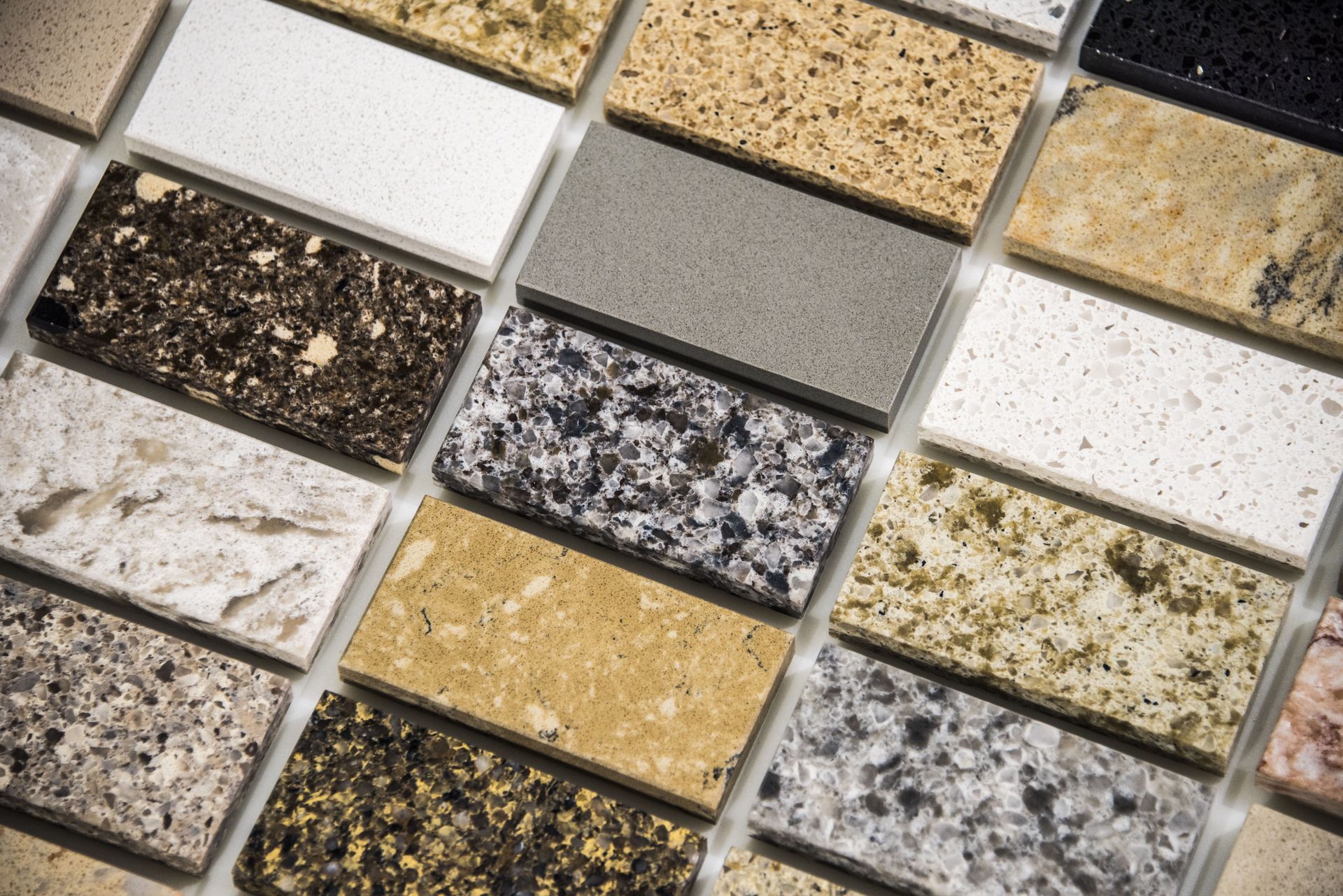
Countertop materials deserve particular attention because they occupy a significant portion of the kitchen's visual space. According to WifiTalents, quartz is currently the preferred countertop material for around 42% of kitchen renovations. Its range of available colors and patterns makes it a versatile option for coordinating with different cabinet finishes, backsplashes, and wall colors.
Metal finishes also influence the overall palette. Stainless steel appliances often complement modern gray and white schemes, while brass or bronze hardware can add warmth to traditional designs.
Considering Structural Features
Permanent features such as kitchen islands, exposed beams, fixed cabinetry, and unusual wall configurations can influence your design possibilities. Rather than viewing these elements as obstacles, consider how color can make them more visually appealing.
Painting an island a contrasting shade can establish a focal point, while using lighter colors on walls and ceilings can make a compact kitchen feel more spacious. Consistent colors across adjoining surfaces can also create continuity without requiring major structural changes.
Planning for Long-Term Appeal
If you may sell your home in the future, consider how your color choices could influence potential buyers. Neutral palettes featuring white, beige, gray, and natural wood generally provide a versatile foundation. Colorful backsplashes, distinctive lighting, and decorative accessories can introduce personality without making permanent features overly specific. Choosing adaptable finishes during kitchen remodeling can also help maintain the space's appeal as design preferences change.
Identifying Your Style and Preferences
Choosing Between Modern and Traditional Designs
Your preferred design style provides another starting point for selecting a color palette. Modern kitchens typically feature clean lines, understated colors, and minimal ornamentation. White, charcoal, gray, and muted earth tones are common choices, particularly when paired with sleek cabinetry.
Traditional kitchens often incorporate warmer colors, natural wood finishes, and decorative details. Cream, ivory, deep green, and rich brown can create a welcoming appearance that complements classic fixtures and architectural features.
You can also combine elements from both approaches through transitional design. Traditional wood cabinetry paired with modern countertops and simple hardware creates a customized appearance that balances both styles.
Matching Colors to Your Lifestyle
Consider how your household uses the kitchen before choosing finishes and colors. A busy family kitchen may benefit from practical surfaces and shades that do not easily show fingerprints, stains, or everyday wear.
If entertaining is a regular part of your routine, you might prefer a distinctive palette that creates a welcoming environment. A contrasting island, decorative backsplash, or statement lighting fixture can make the space feel more personalized.
When planning kitchen remodeling, consider how colors transition between cooking, dining, and gathering areas. A consistent palette helps these different spaces feel connected, especially in open-concept homes.
Gathering Design Inspiration
Interior design magazines, home improvement websites, and social media platforms can provide useful ideas for your project. Looking at completed kitchens helps you understand how different colors, materials, and finishes work together.
Pay attention to the combinations that consistently appeal to you rather than following every current trend. Identifying preferences for natural wood, muted greens, bright whites, or dramatic contrasts can help narrow your choices and establish a clear design direction.
Developing a Kitchen Mood Board
A mood board brings your ideas together in one place, making it easier to evaluate the overall appearance before making final decisions. Include paint samples, cabinet finishes, countertop options, flooring, backsplash materials, and hardware selections.
Arrange the samples together and look for colors that complement one another. Pay attention to undertones, textures, and patterns that might compete visually. Reviewing these elements together can help identify potential conflicts before materials are purchased or installed.
Finalizing Your Kitchen Color Palette
Testing Colors Before Making Decisions
Once you have narrowed down your options, test your preferred colors in the kitchen itself. Paint samples, cabinet finish samples, and countertop swatches allow you to see how materials interact with the room's existing features. Compare them under natural and artificial lighting before making a final selection.
Consider how individual materials will look next to one another rather than evaluating each sample separately. A cabinet color might appear attractive on its own but clash with the flooring or countertop once installed. Reviewing the complete combination helps reduce unexpected results and supports better decisions throughout kitchen remodeling.
Establishing a Consistent Design Plan
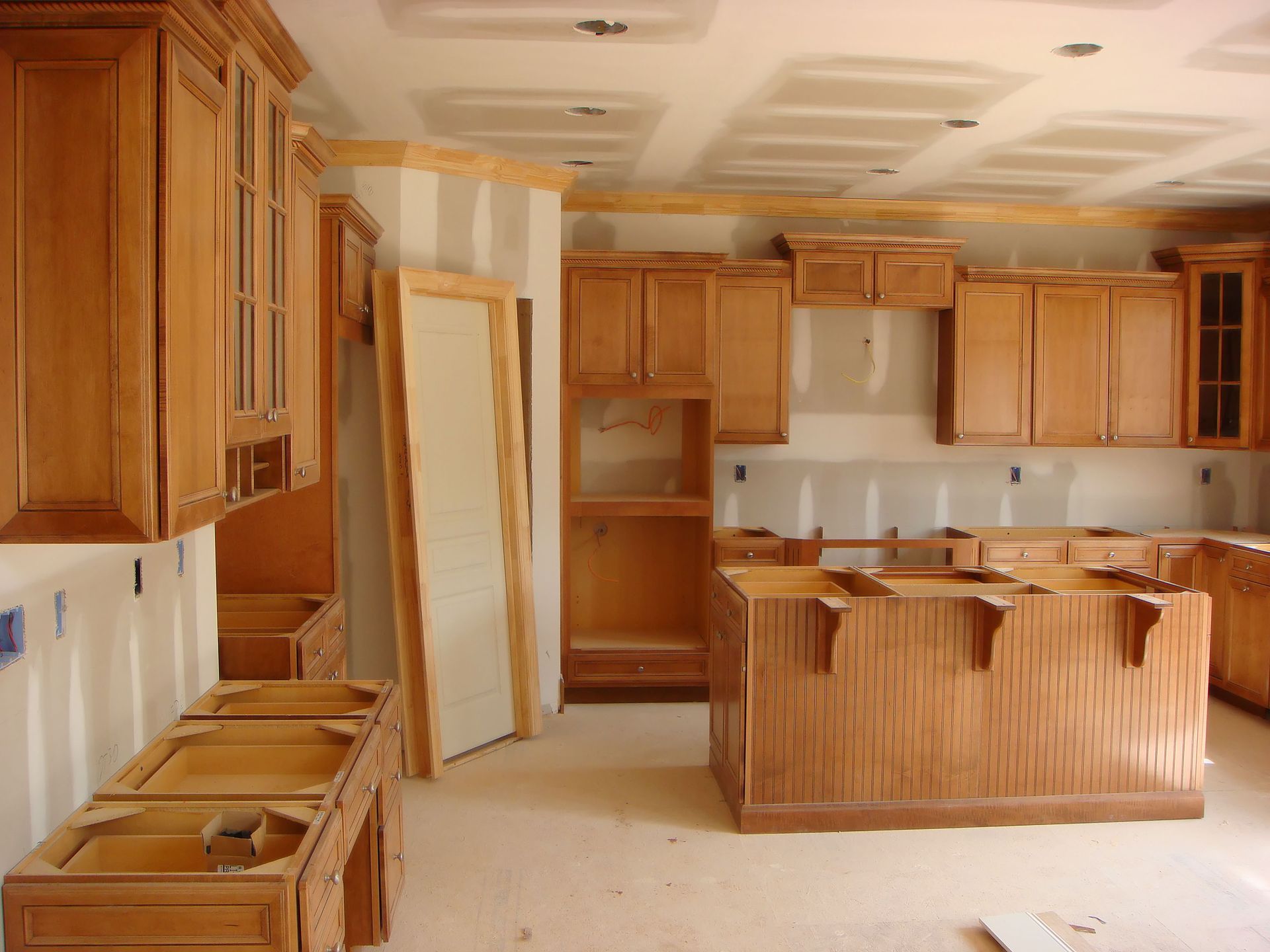
Before beginning construction, establish a clear plan for how the selected colors will be distributed throughout the kitchen. Decide which shades will appear on cabinetry, walls, countertops, backsplashes, and accent features. This creates a consistent direction for material selections and helps prevent last-minute design changes.
It is equally important to consider durability, maintenance, and material quality. A beautiful color palette should support your household's practical needs while maintaining its appearance through everyday use.
Creating the right kitchen involves balancing personal style, room characteristics, and functional requirements. With careful preparation and thoughtful material selection, you can develop a space that feels comfortable, attractive, and suited to your home. Kitchen Gallery Cabinet Design can help bring your vision to life with design guidance and cabinetry options that complement your preferred aesthetic. Reach out to discuss your ideas and take the next step toward a kitchen that reflects your style.